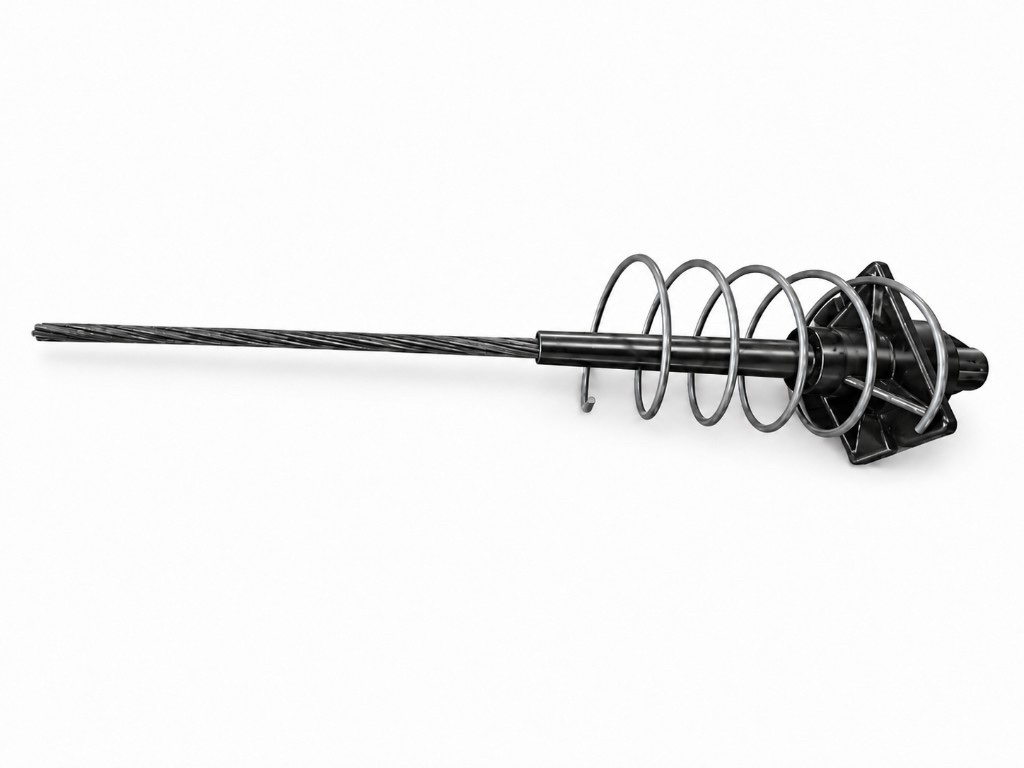
Unbonded Post-Tensioning Systems
In unbonded post-tensioning systems, prestressing strands coated with grease move freely inside the sheath. No mechanical bond forms between strand and concrete; prestress force is transferred through anchorage points. This method enables fast site installation and cost advantages in building slabs.
ASZ Grup supports unbonded projects with flat metal duct manufacturing and HDPE duct sheathing. Our experienced field teams serve building and long-span applications.
Unbonded System Advantages
- Fast site assembly and early stressing capability
- Thinner slab sections and reduced floor-to-floor height
- Column-free wide spans (15–20 m)
- Simplified process with no grout injection required
Sheathing Options
In unbonded systems, flat duct is preferred for slab applications, while HDPE duct sheathing is chosen where corrosion protection and flexibility are critical. We offer project-specific diameter and dimension options for both product groups.
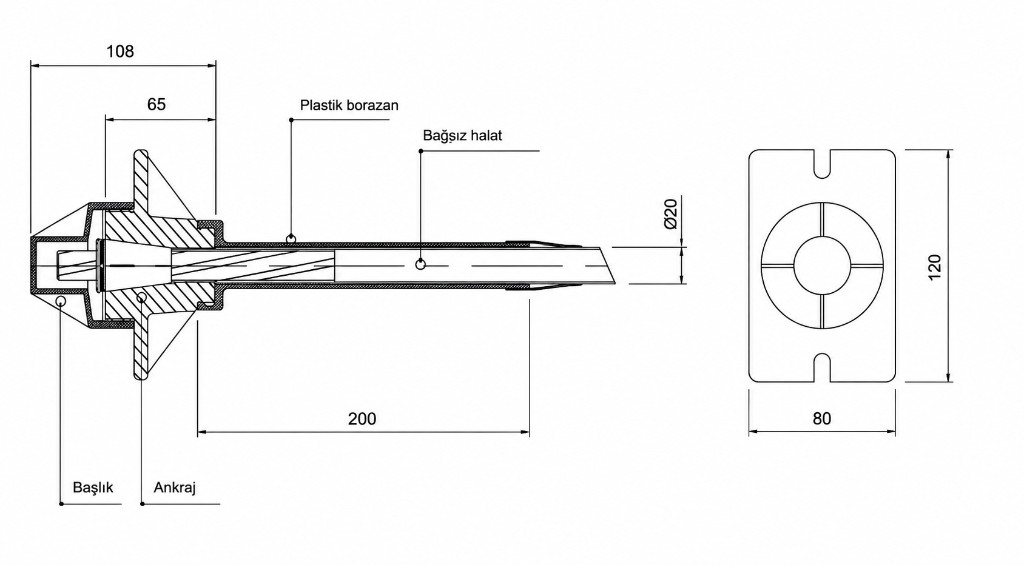
Unbonded Greased Monostrand Detail
In unbonded systems, the greased monostrand moves freely inside a plastic sheath, transferring the stressing force to the structure through the anchor head and anchorage.
Thin Slabs
Up to 25–35% thinner slab sections possible.
Wide Spans
Column-free areas in malls, car parks and terminals.
Fast Construction
Early stressing reduces formwork cycle time.
Economy
Lower concrete and reinforcement consumption.
Frequently Asked Questions
Where is unbonded post-tensioning used?
It is common in shopping centres, car parks, residential and office floor slabs, and airport terminals requiring wide clear spans.
Should flat duct or HDPE sheathing be chosen?
Flat duct suits slab applications; HDPE sheathing is preferred where corrosion protection and flexibility are required. Our engineering team supports selection for your project.
For technical details, catalogues or project-specific quotations, please reach us via our contact page.
Request a Quote